
-

-
 0
0
0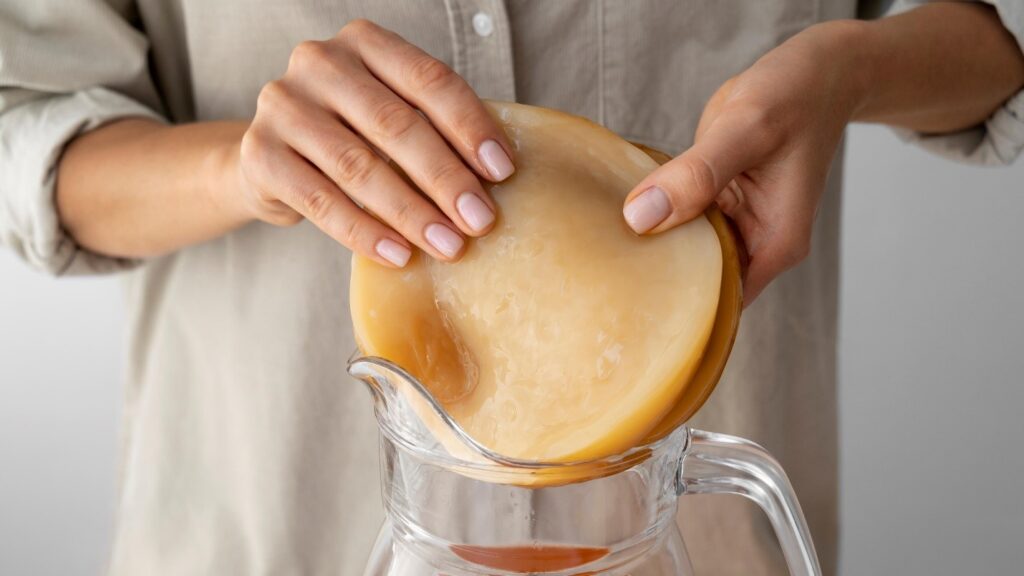
Hello, Kombucha aficionados and newbies in Dubai! You’re probably reading this because you’re fascinated by that curious, jelly-like disc in your Kombucha brew. That’s your SCOBY, and it’s what makes the Kombucha world go ’round. At Tabchilli, we’re going all-in to reveal the SCOBY’s secrets and to help you become a Kombucha wizard!
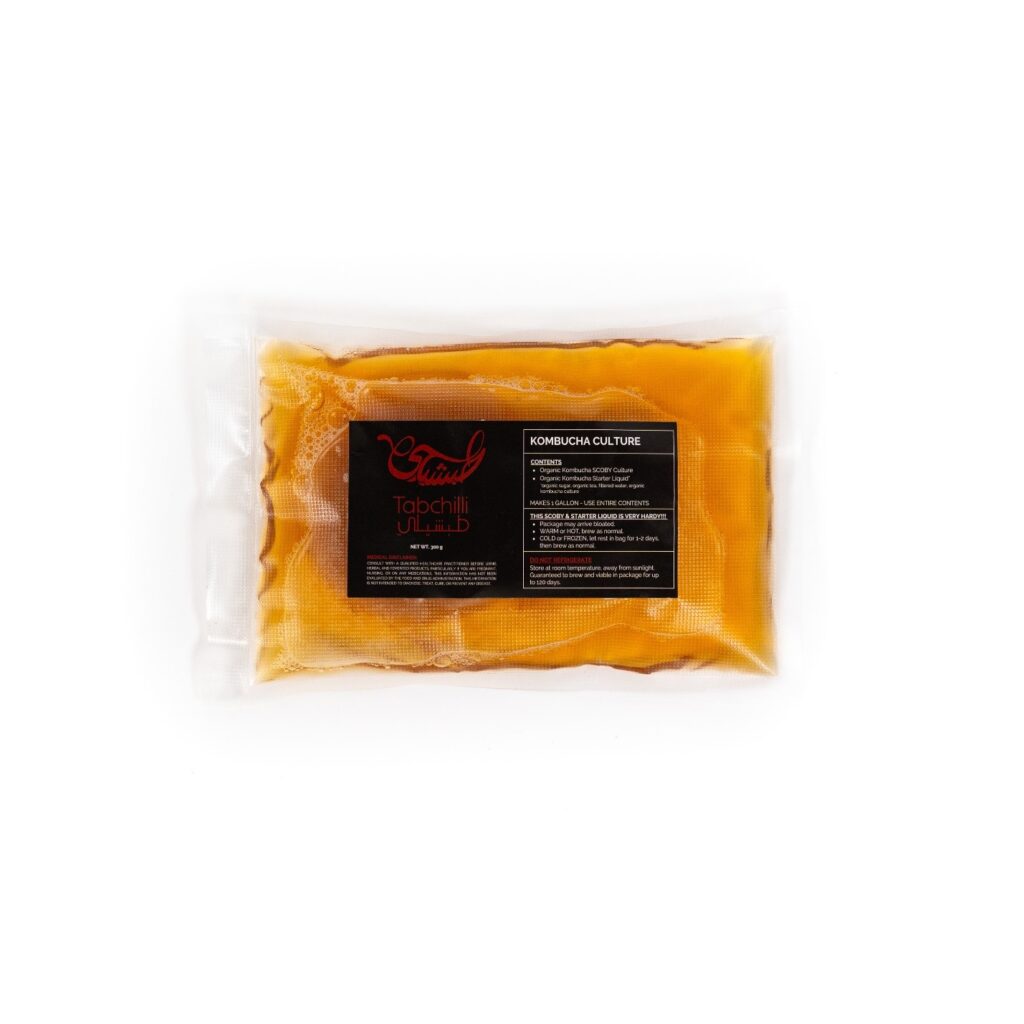
What’s more, we have good news: You can buy a high-quality SCOBY directly from Tabchilli to kick-start your home brewing adventure. Now, let’s take this curiosity to the next level and delve into the nitty-gritty of what a SCOBY is and how it works its magic.
SCOBY stands for “Symbiotic Culture Of Bacteria and Yeast,” a perfect collaboration that converts simple tea and sugar into your beloved Kombucha. It’s like the Avengers of the microbial world, each microbe playing a specific role to create a symphony of flavors and health benefits.
What sets your SCOBY apart is its own unique ecosystem. Imagine it as a bustling microbial city where everyone has a job to do. In this city, the bacteria are like the chefs, turning ingredients into mouth-watering dishes, while the yeast acts like the farmers, supplying the raw materials. Together, they form a self-sufficient community that enriches your Kombucha brew.
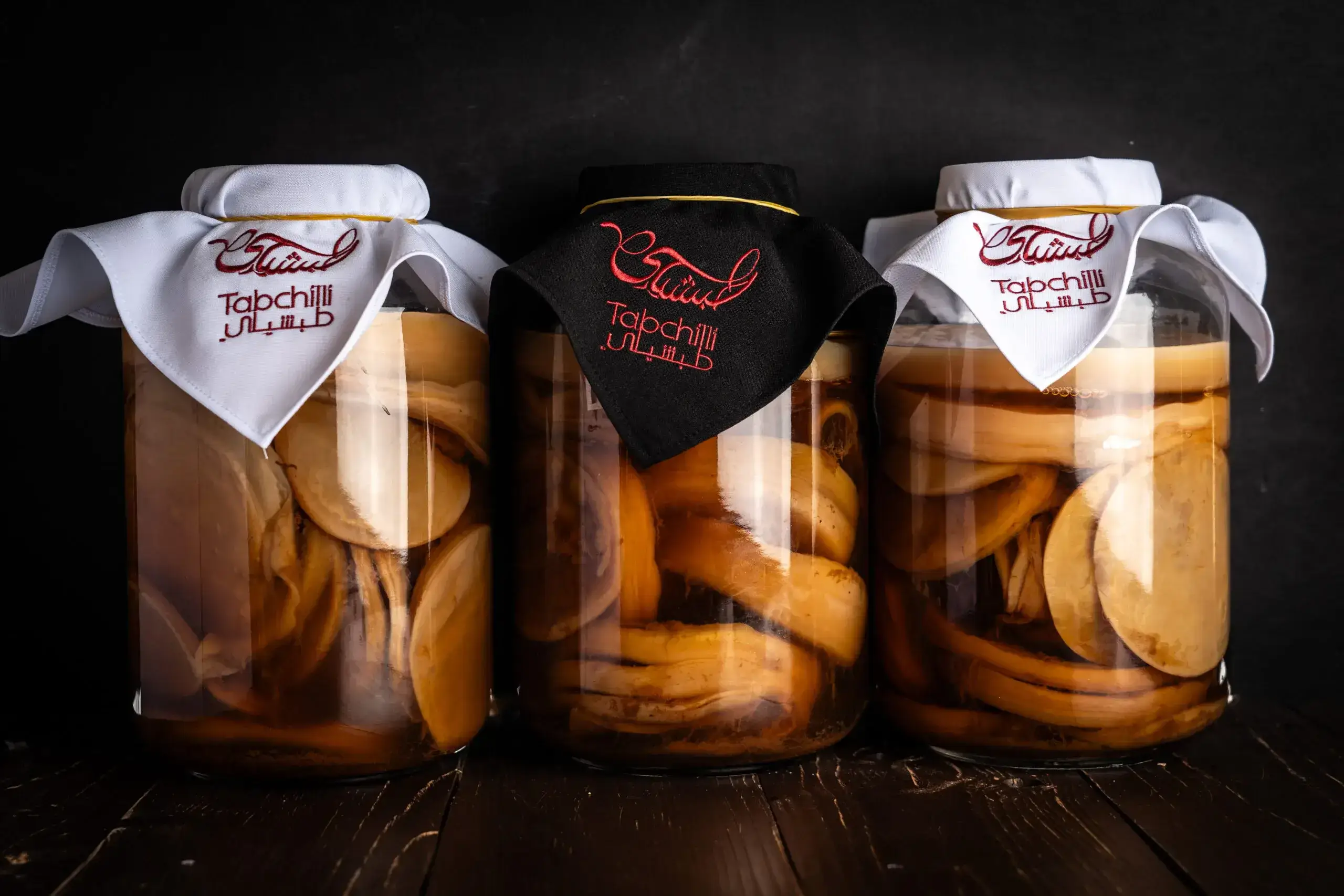
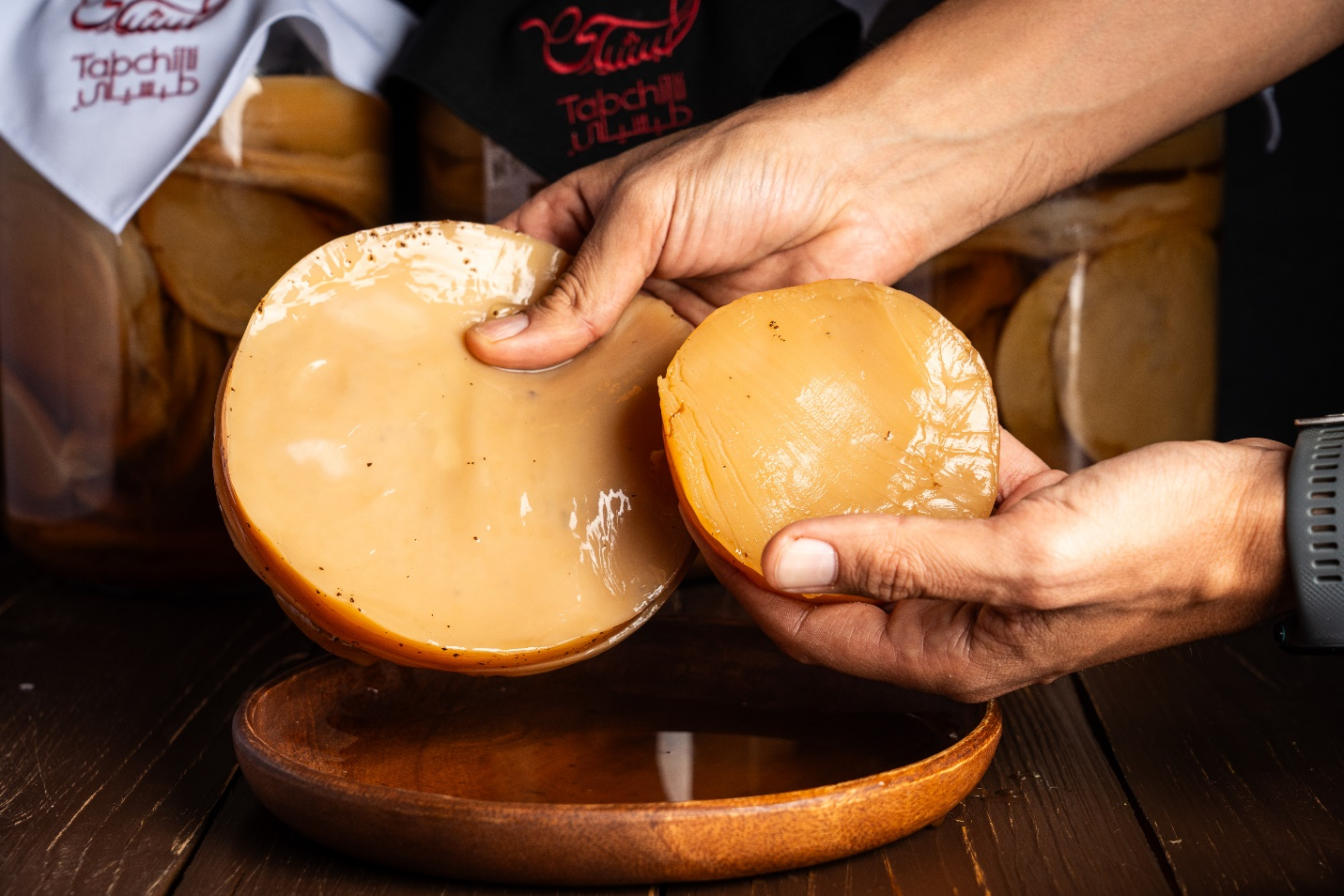
A SCOBY resembles a rubbery pancake, floating around in your brew jar like a UFO. Its color can vary, from pure ivory to a deep, earthy brown, which changes based on the type of tea used and the SCOBY’s age. Don’t be alarmed by its jiggly, somewhat slimy texture; that’s a sign of a healthy SCOBY.
As you gain experience, your SCOBY will start to mature, akin to a fine wine. It will accumulate additional layers and might even produce smaller ‘baby SCOBYs.’ You can separate these layers to use in different brews or share them with fellow Kombucha enthusiasts. Think of it as SCOBY networking!
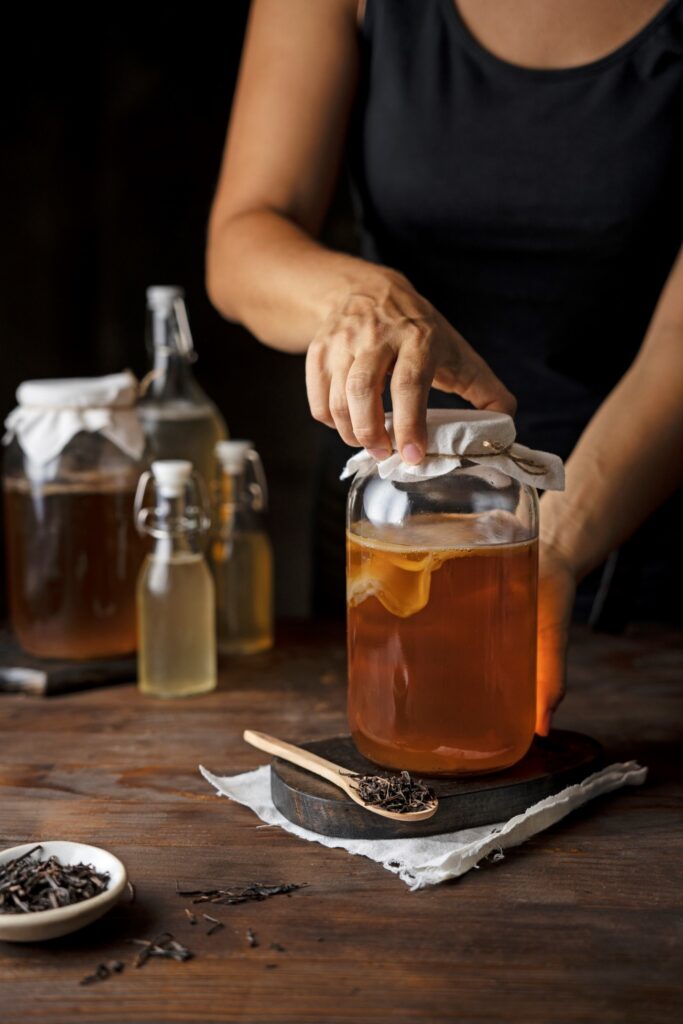
Bacteria like Acetobacter are the stars of the show, converting alcohol into acetic acid and giving your Kombucha that irresistible tangy bite. But they’re supported by a cast of other bacteria, such as Lactobacillus, which add their own unique characteristics to your brew.
In the yeast department, common strains belong to the Saccharomyces family. They’re the sugar-breakers and alcohol-makers, setting the stage for bacteria to do their thing. You’ll also find other yeast species, diversifying the SCOBY’s capabilities. Your Kombucha in Dubai is not just a drink; it’s a rich tapestry of microbial interactions.
Your SCOBY does more than just float around looking weird; it’s a biochemical genius! First, the yeast kicks off by breaking down sugars to produce alcohol and carbon dioxide, giving your Kombucha its initial fizz. Then, bacteria take over, converting the alcohol into acids and enzymes. This teamwork not only results in fermentation but also enriches the brew with nutritional goodies like vitamins and organic acids.
The marvels don’t stop there. Your SCOBY creates unique bioactive compounds, like glucuronic acid, which is known for its detoxifying properties. So, each sip of your Kombucha is not just refreshment; it’s a holistic experience, combining flavor, fizz, and health benefits in a single glass.
If you know someone already involved in the Kombucha game, you can ask for a ‘baby’ SCOBY. It’s like a generational gift!
There are countless options online, but make sure you’re purchasing from a trusted source.
Why look elsewhere when you can start right here in Dubai? Get your top-notch, healthy SCOBY from Tabchilli, and begin your Kombucha journey on the right foot. We offer premium quality SCOBYs that ensure your homebrew is nothing short of amazing.
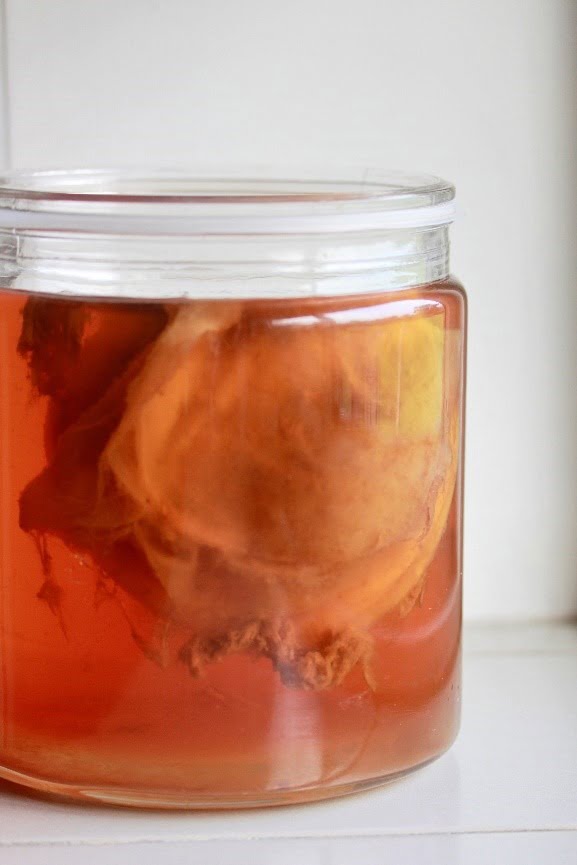
A “SCOBY hotel” is a luxurious retreat for your SCOBY. It’s a jar of mature Kombucha where your SCOBY can chill when it’s not on duty. The acidic ambiance of the hotel keeps your SCOBY safe from contaminants like mold.
A well-fed SCOBY is a happy SCOBY. When not actively brewing, replenish the liquid in your SCOBY hotel with a mix of sweet tea. It’s like feeding your pet; a well-nourished SCOBY will yield a superior brew.
A dirty SCOBY is a sad SCOBY. But don’t use soap or chemicals to clean it. A gentle rinse with distilled vinegar is all you need to keep your SCOBY in pristine condition. It’s like a spa treatment, but for your SCOBY!
So, there you have it! The SCOBY is not just a blob; it’s a fascinating, complex, and vital part of your Kombucha brewing process. And remember, if you’re keen on joining the Kombucha revolution in Dubai, Tabchilli is your go-to source for the finest SCOBY’s. Let the brewing adventures begin!
Happy Brewing, Dubai! Cheers to your Kombucha journey, and may your SCOBY’s always be healthy and productive!
Sugar is an essential ingredient in the kombucha-making process. It acts as the primary fuel source for the bacteria and yeast in the SCOBY (Symbiotic Culture of Bacteria and Yeast), which then transform the sweet tea into the tangy, probiotic-rich beverage we know and love. However, finding the right balance of sugar is key-too little, and the fermentation will stall; too much, and your kombucha may be overly sweet or contain excess calories.
Whether you’re brewing kombucha at home or purchasing from a vendor in Dubai, understanding how to measure sugar levels is crucial for achieving a healthy, balanced brew.
Accurately measuring sugar in your kombucha ensures that you:
i. Control Fermentation: Sugar feeds the yeast and bacteria, influencing the speed and quality of fermentation.
ii. Achieve the Desired Flavor Profile: Too much residual sugar makes kombucha too sweet, while too little can result in an overly sour brew.
iii. Monitor Health Benefits: Low-sugar kombucha is better for health-conscious consumers and those looking to minimize sugar intake.
iv. Prevent Over-Fermentation: Measuring sugar helps avoid excessive carbonation, which can lead to dangerous bottle explosions.
For homebrewers in Dubai who want to create the perfect kombucha, knowing how to measure sugar is essential. And at Tabchilli, we offer workshops and comprehensive brewing kits to help you master the art of kombucha, from sugar measurement to flavor perfection!
There are a few key tools you can use to measure the sugar content in your kombucha accurately. Each has its own advantages, so choose the one that fits your needs:
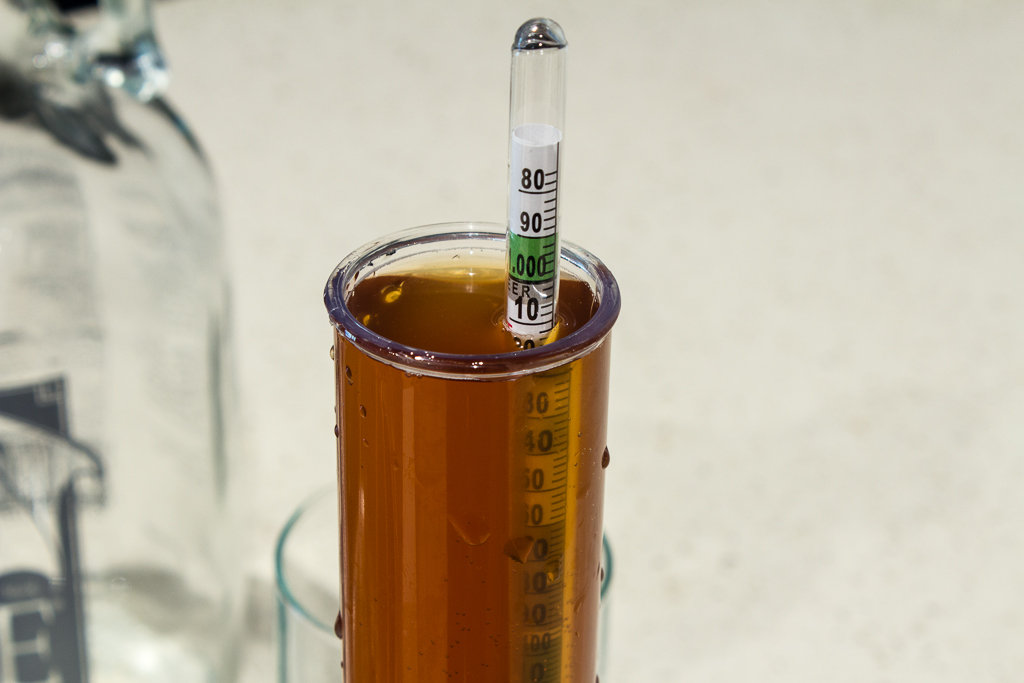
A hydrometer is a tool commonly used in brewing to measure the specific gravity (density) of a liquid. It helps determine the sugar content by measuring the density difference before and after fermentation.
1. How to Use:
i. Take an initial gravity reading before adding the SCOBY (this is your baseline sugar content).
ii. Take a second reading after fermentation is complete.
iii. Compare the two readings to calculate the amount of sugar converted during fermentation.
2. Pros: Inexpensive and effective.
3. Cons: Requires large sample volumes, which might not be ideal for small batches.
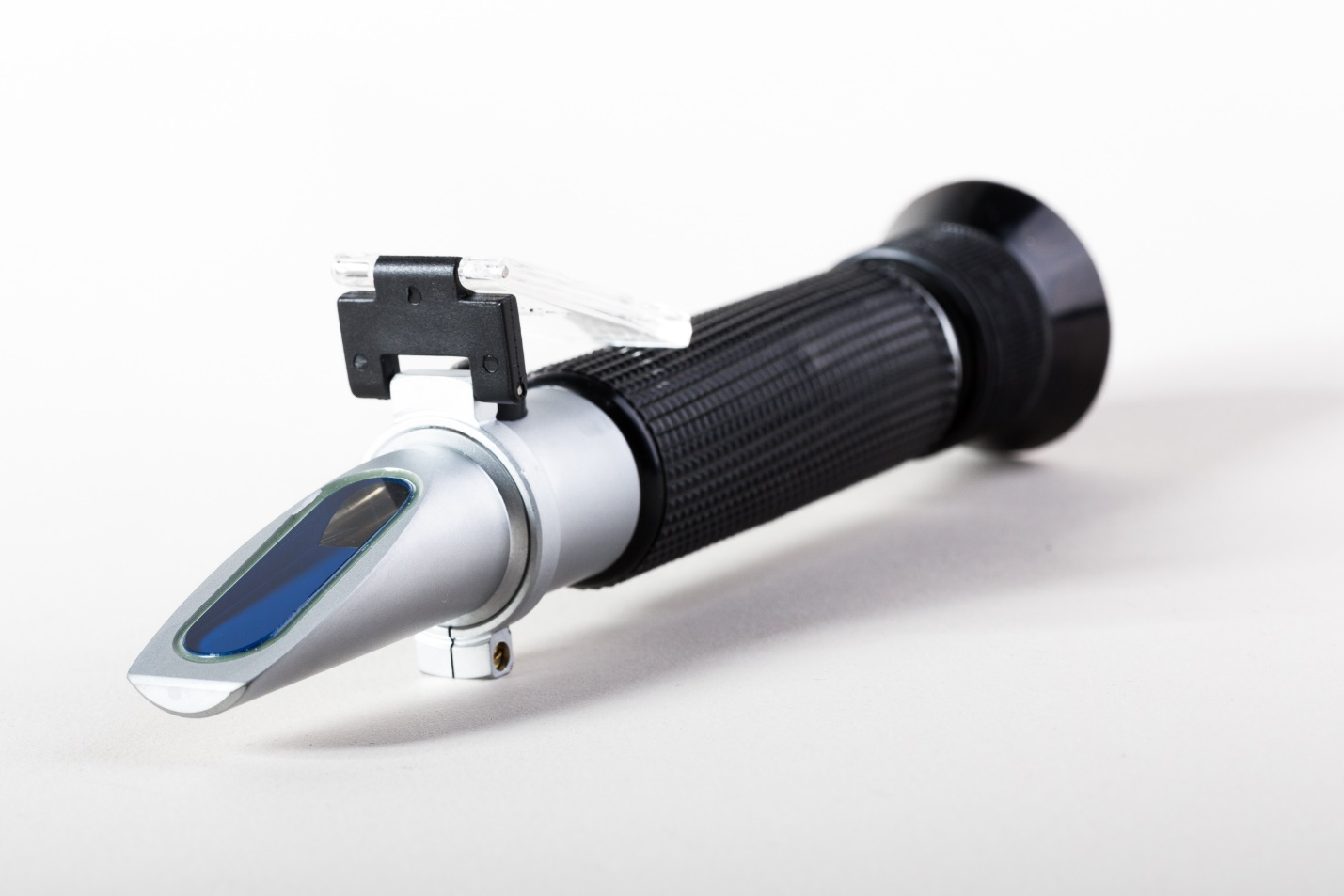
A refractometer measures the sugar concentration by analyzing how light refracts through the liquid.
1. How to Use: Place a few drops of kombucha on the glass plate and read the sugar concentration directly from the scale.
2. Pros: Only requires a few drops of liquid and is quick and easy to use.
3. Cons: Can be slightly expensive compared to hydrometers.
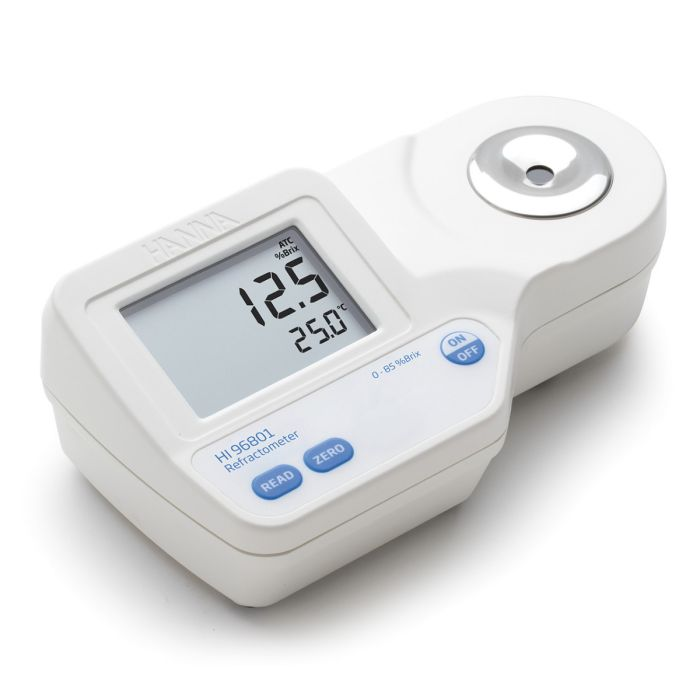
A Brix meter is similar to a refractometer but specifically measures the sugar content as a percentage by weight.
1. How to Use: Place a few drops of kombucha onto the Brix meter and read the result in Brix units.
2. Pros: Easy to use, accurate, and gives a quick reading.
3. Cons: A bit pricey for beginners but worth the investment for serious brewers.
While not as scientific, many experienced brewers can gauge sugar content by taste. With practice, you’ll be able to tell if your kombucha is balanced, too sweet, or too sour.
1. How to Use: Taste your brew every day after the first 5 days of fermentation.
2. Pros: No equipment needed.
3. Cons: Highly subjective and not reliable for precise sugar measurement.
For beginners, the hydrometer is the most accessible tool. Here’s a step-by-step guide on using a hydrometer to measure sugar in your kombucha:
1. Sanitize the Hydrometer: Ensure that your hydrometer and any other equipment are thoroughly sanitized to avoid contamination.
2. Take an Initial Reading: Before adding your SCOBY, take a hydrometer reading of your sweet tea. This will be your baseline.
3. Record the Specific Gravity (SG): The SG reading represents the density of sugar in your unfermented tea. Write it down.
4. Ferment Your Kombucha: Add the SCOBY and let your kombucha ferment as usual for 7-10 days.
5. Take a Final Reading: After fermentation, use the hydrometer to take another reading.
6. Calculate the Sugar Consumption: Subtract the final SG from the initial SG to determine how much sugar has been consumed during fermentation.
Stage 1: Initial Sweet Tea: The initial sugar content should be around 10-15% (or 1 cup of sugar per gallon).
Stage 2: Active Fermentation (Day 5): By the middle of fermentation, much of the sugar has been converted, leaving about 5-7% sugar.
Stage 3: Final Brew (Day 7-10): At the end of fermentation, a well-balanced kombucha should have 1-3% sugar content, depending on your taste preference.
If you’re brewing kombucha in a hot climate like Dubai, the fermentation process can happen faster, so regular sugar checks are crucial to prevent over-fermentation.
Too Sweet?
If your kombucha tastes too sweet, it likely needs more fermentation time. Check the sugar levels and let it ferment for a few more days.
Too Sour?
Over-fermentation can lead to a sharp, vinegar-like taste. To remedy this, you can add a small amount of fresh sweet tea to balance the flavor or use it as a base for a new batch.
Flat Kombucha?
If there’s little to no carbonation, it may be due to low sugar content in the second fermentation. Add a bit of fruit or sugar to kickstart carbonation.
For kombucha enthusiasts in Dubai, having access to high-quality brewing supplies is essential. That’s where Tabchilli comes in! We offer:
1. Premium SCOBYs: Our SCOBYs are fresh, active, and perfect for brewing delicious kombucha every time.
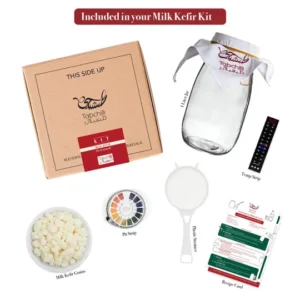
2. DIY Kombucha Kits: Everything you need to start brewing at home, including glass jars, tea blends, sugar, and detailed instructions.
3. Workshops and Guidance: Join our hands-on kombucha workshops in Dubai, where we cover every aspect of kombucha making, from measuring sugar to mastering flavors.
Whether you’re a beginner looking to get started or an experienced brewer wanting to refine your technique, Tabchilli has you covered.
Measuring sugar in kombucha is a critical step to achieving the perfect balance of flavor and health benefits. With tools like hydrometers, refractometers, and taste testing, you can fine-tune your brew to suit your preferences.
And if you’re in Dubai, visit Tabchilli for all your kombucha needs. Whether you’re looking for fresh SCOBYs, DIY kits, or workshops, we’re here to help you make the best kombucha every time.
Looking for a delicious and unique appetizer or side dish? Look no further than these crispy halloumi fries! Made with crispy breaded halloumi cheese sticks, fresh celery, carrot sticks, and a spicy tab marinara dip, this dish is sure to be a crowd-pleaser. Perfect for any occasion, from a casual get-together with friends to a special event. Follow the recipe below to make the perfect halloumi fries.
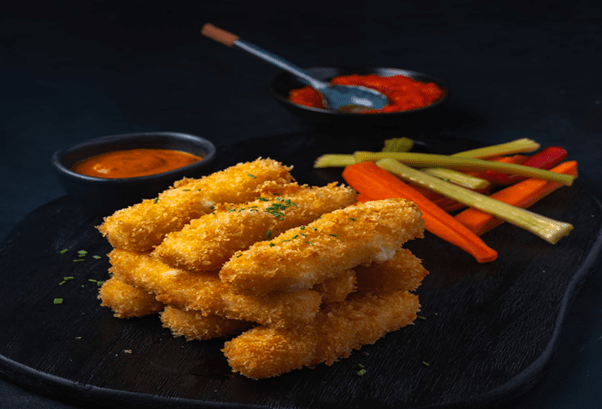
Amount Produced: 1 PORTION
Assemble all ingredients on a plate of your choice.
Amount Produced: Varies
Note: Don’t place them directly on a paper towel or they risk turning soggy.
Amount Produced: Varies
Knefeh, a celebrated Middle Eastern dessert known for its luscious, cheesy sweetness, is a traditional favorite often enjoyed in the vibrant cafes of Dubai. This classic dish, typically adorned with a sweet syrup and savored as either a breakfast delicacy or a lavish dessert, is undergoing a remarkable transformation with the addition of a three-month fermented chili paste syrup, infused in extra virgin olive oil. This innovative adaptation not only challenges the conventional dessert landscape but also introduces the intricate flavors of fermented foods to Dubai‘s diverse culinary scene.
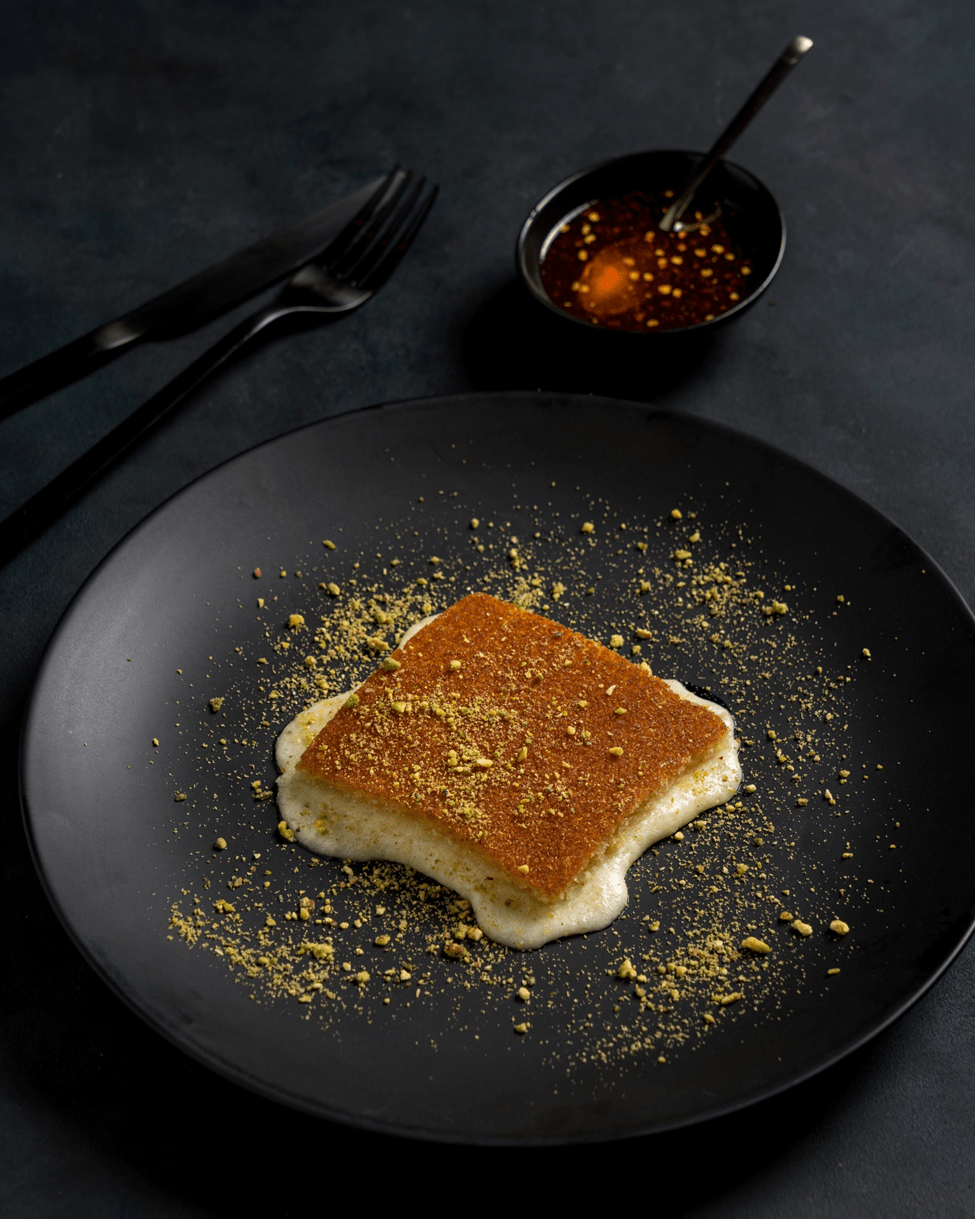
Knefeh features a layer of soft, elastic cheese sandwiched between crunchy layers of semolina or shredded phyllo dough, all baked to golden perfection before being soaked in syrup. As a staple in Middle Eastern dessert cuisine, particularly in Dubai, it pairs exquisitely with robust Arabic coffee or refreshing mint tea. Dubai’s rich cultural mosaic, a melting pot of global cuisines, presents an ideal setting for reimagining traditional recipes with contemporary flair.
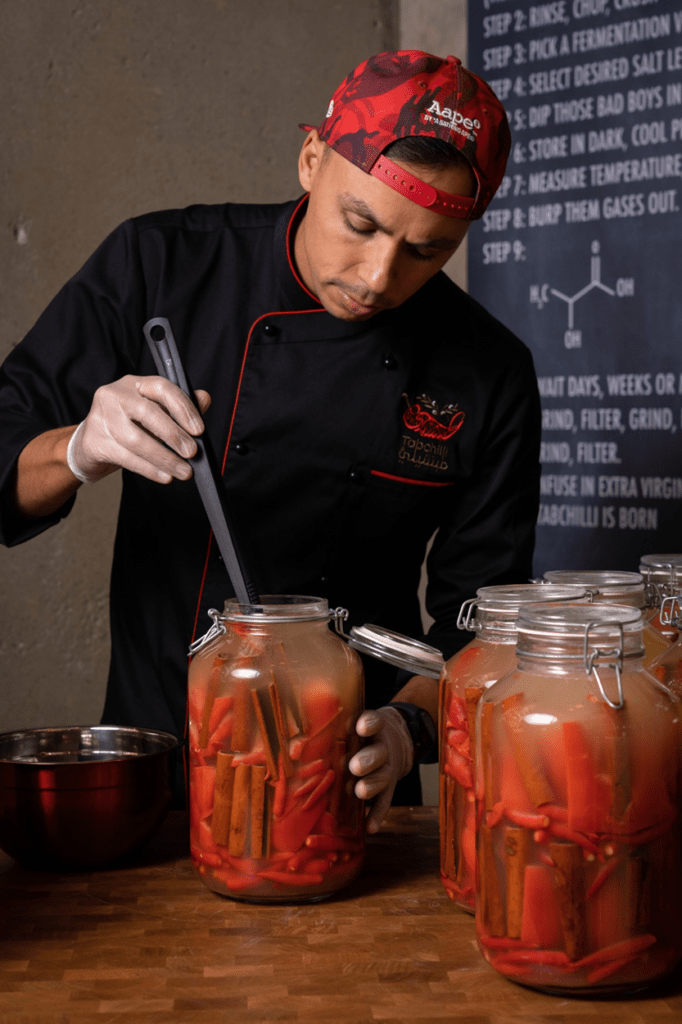
Dubai has recently witnessed an increased appreciation for fermented foods, prized not only for their health benefits but also for their role in elevating culinary experiences. Fermentation, celebrated for enriching foods with beneficial bacteria and enhancing flavor complexity, also serves to extend food longevity, aligning well with modern sustainable cooking practices.
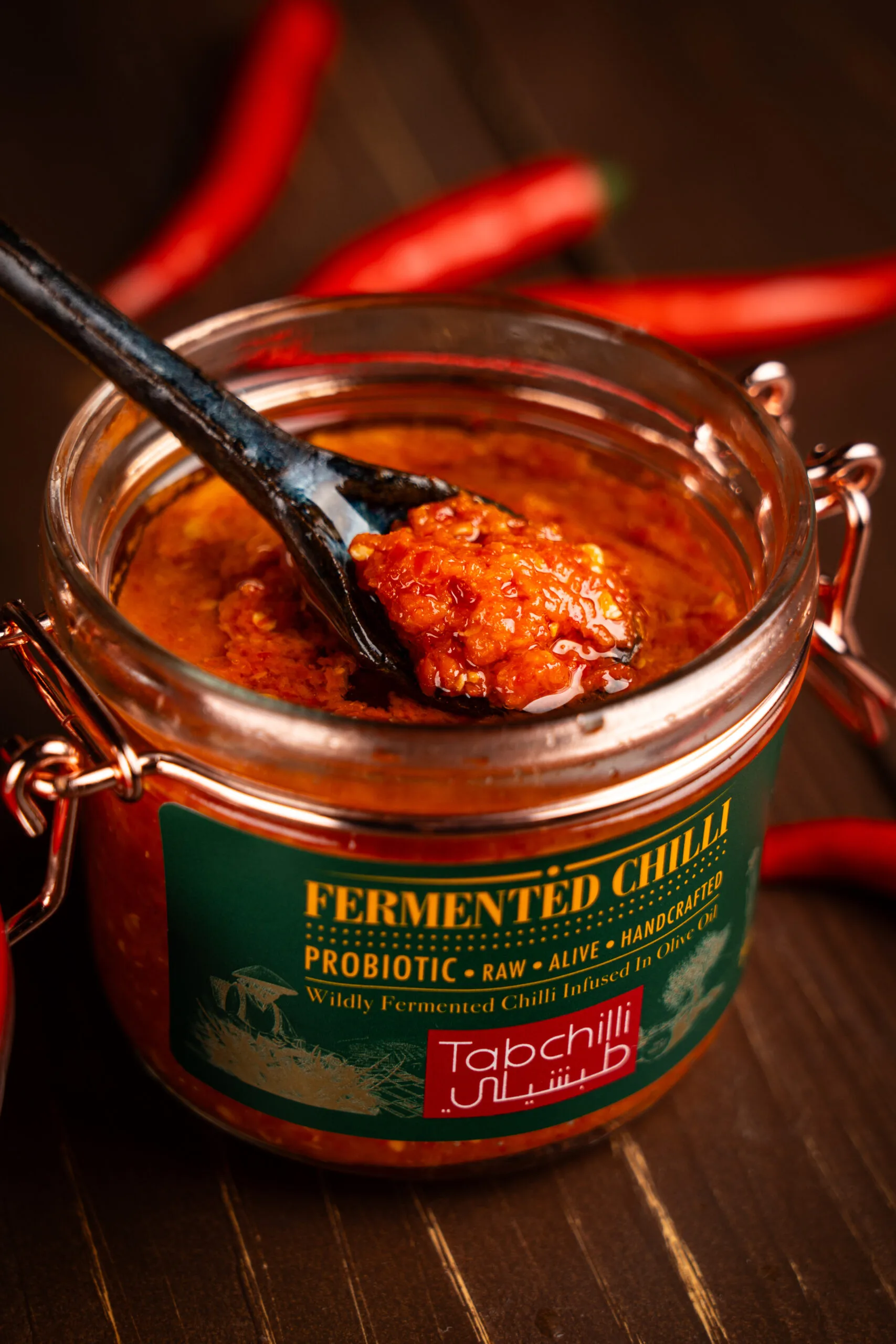
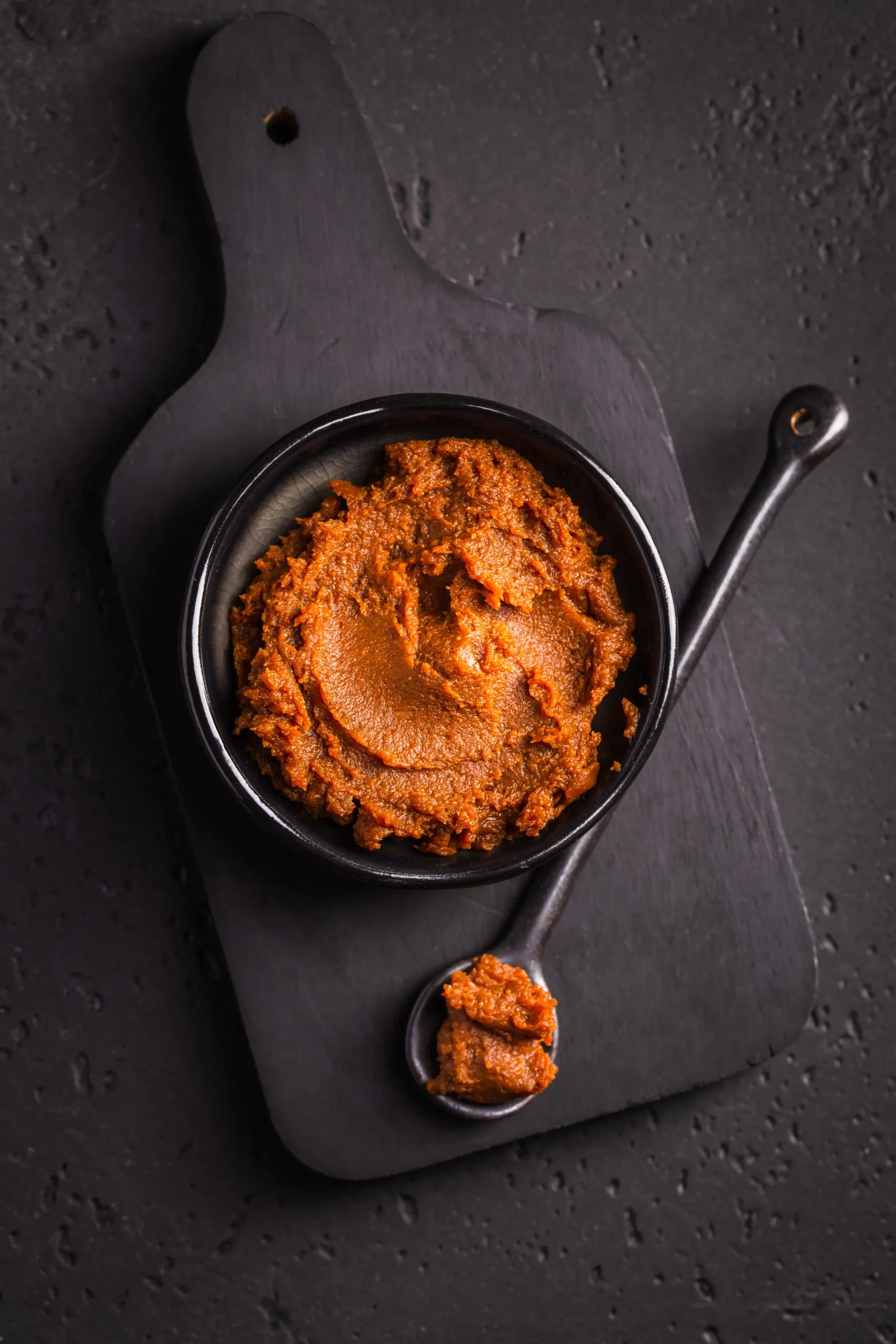
Drizzling Knefeh with a syrup infused with three-month fermented chili paste, steeped in high-quality extra virgin olive oil, might initially seem unconventional. However, this combination epitomizes the innovative spirit of Dubai’s culinary scene. This special syrup blends the warmth of fermented chili with the traditional syrup’s sweetness, creating a multi-layered flavor profile that both surprises and delights the palate.
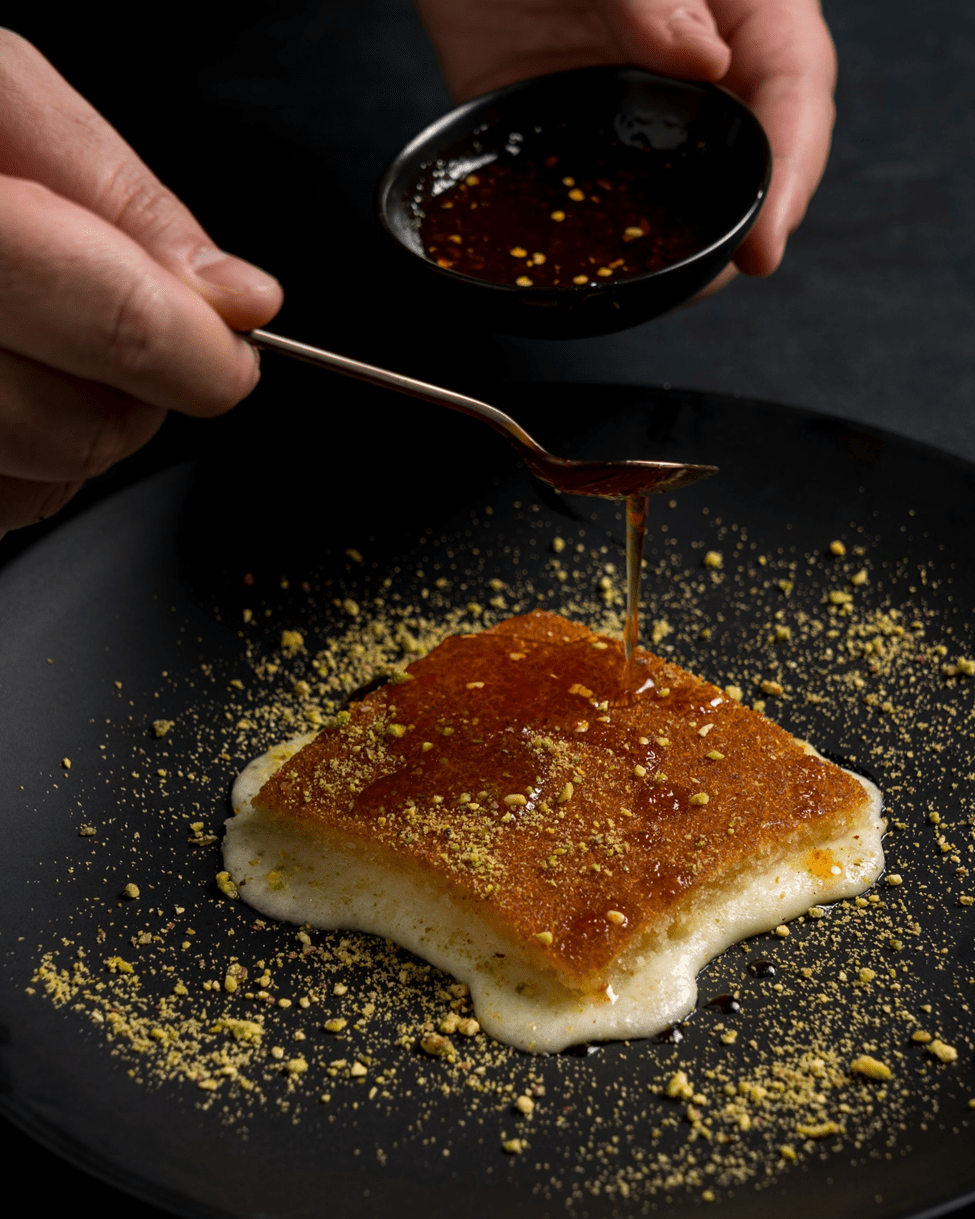
Introducing a three-month fermented chili paste syrup to Knefeh in Dubai not only provides a daring twist on a traditional dessert but also integrates the sophisticated, health-enhancing qualities of fermented food Dubai into the local culinary repertoire. This dessert appeals to those seeking new flavors and health benefits, making it a distinctive and modern addition to Dubai’s gastronomic offerings. Whether you’re exploring local cuisine or searching for a unique taste experience, this version of Knefeh is an unforgettable treat that reflects Dubai’s innovative and diverse food culture.
 15-day money back guarantee

666+ reviews